
Maximizing Efficiency and Preventing Overload with Advanced Crane Load Monitoring Systems
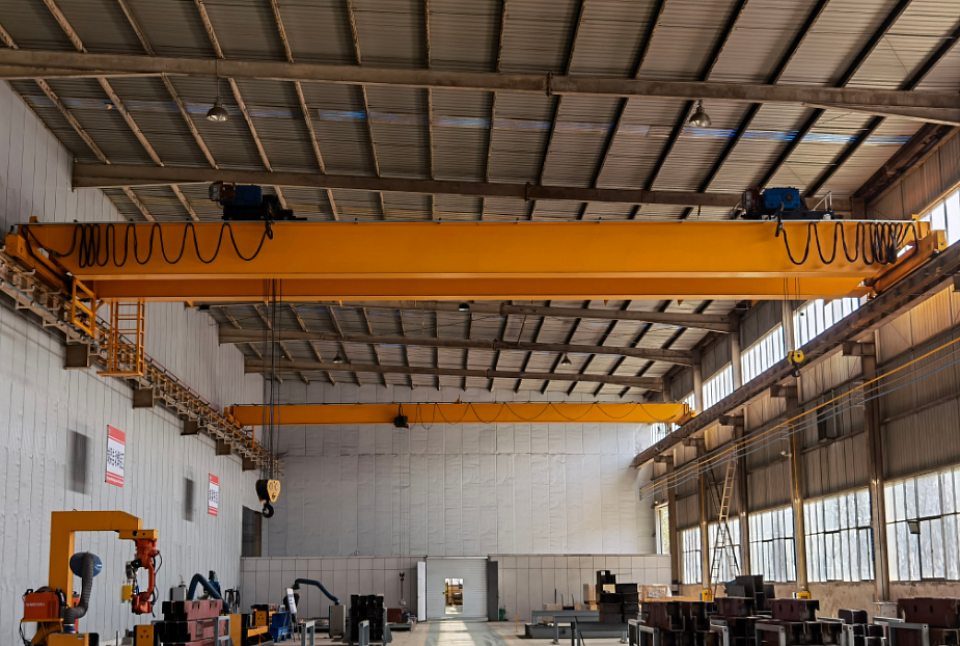
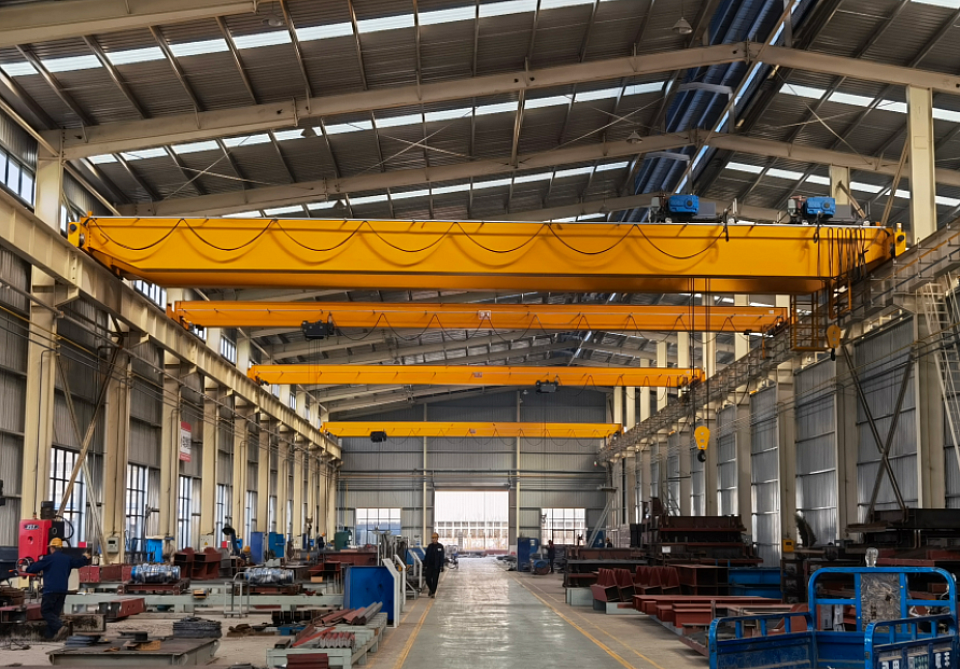
In industrial operations, a 50-ton overhead crane is a significant asset used for handling heavy loads in steel plants, manufacturing facilities, precast concrete yards, shipyards, and more. Operating such cranes safely and efficiently is essential, and one of the most effective ways to achieve this is through real-time load monitoring systems (RTLM). These systems provide continuous, accurate feedback on the load being lifted, improving safety, productivity, and asset longevity.
What is a Real-Time Load Monitoring System?
A real-time load monitoring system is a technological solution that measures and displays the actual load being lifted by a crane continuously. Unlike traditional methods that rely on operator judgment or periodic checks, RTLM systems give instant feedback about the load on the crane hook, enabling immediate corrective actions if necessary. Key components of an RTLM system include:
Load sensors: Installed on the hook block, suspension, or sheave pin to detect the load in real time.
Operator displays: Visible readouts that show live load values, often with alarm indicators for overload warnings.
Data acquisition and logging: Recording each lift, including load values, time, and other operational parameters, for analysis and traceability.
Alerts and integration: Systems can trigger alarms, visual or audible warnings, or even interlock crane movements when loads approach or exceed limits.
For a 50 ton overhead crane, these systems are designed to handle heavy loads safely, providing precise monitoring even near the crane’s rated capacity.
Importance of Real-Time Load Monitoring for a 50 Ton Crane
1. Safety and Risk Reduction
Operating a 50-ton crane involves significant risk if the load is misjudged. Overloading, unbalanced loads, or sudden shock loads can cause mechanical failure or accidents. RTLM systems provide real-time feedback to operators, helping prevent lifts beyond rated capacity and avoiding dangerous situations. This significantly reduces the risk of injury, equipment damage, and costly downtime.
2. Asset Protection
Crane components such as the hoist, trolley, runway, and structure are designed for specific load capacities. Operating near or above limits shortens the equipment’s life and increases maintenance costs. With RTLM, every lift is monitored, allowing operators and maintenance teams to detect overloading trends early and schedule preventive maintenance, extending the crane’s operational lifespan.
3. Enhanced Productivity
Operators benefit from having live load data, which allows them to make accurate lifting decisions without guesswork. This reduces lift retries, minimizes delays, and ensures smooth handling of heavy materials. Productivity improves because the system provides confidence that each lift is within safe limits.
4. Traceability and Documentation
RTLM systems log all lift events, creating a detailed record of crane operations. This is valuable for audits, safety reviews, insurance documentation, and regulatory compliance. It also enables managers to analyze crane usage patterns, track operator performance, and plan maintenance schedules effectively.
5. Justifying Investment and ROI
Although adding a real-time load monitoring system increases upfront costs, the benefits in terms of safety, asset protection, and efficiency make it a worthwhile investment. For a 50-ton double girder overhead crane, the potential cost of equipment damage or accidents far outweighs the expense of implementing an RTLM system.
Key Components and Considerations Load Sensor Selection
The load sensor must match the crane’s maximum capacity with an appropriate safety margin. Placement is critical, often on the hook block or suspension system, to ensure it accurately measures the load in the real path of force. Regular calibration is essential to maintain precision over time.
Operator Display
The display should be clearly visible from the operator’s cabin and provide easily readable figures, even in bright or industrial environments. Alarm indicators should alert the operator when the load reaches predetermined percentages of the crane’s rated capacity.
Data Logging and Connectivity
Modern RTLM systems record each lift and may include wireless connectivity to remote dashboards. Logged data allows for analysis of load trends, operator behavior, and potential overloading incidents, helping maintenance planning and operational decision-making.
Alerts and Integration
Advanced RTLM systems can be integrated with the crane’s control system to automatically limit hoist movement if the load exceeds safe thresholds. They can also interface with other safety devices, such as anti-collision systems or angle sensors, creating a comprehensive safety network.
Environmental Considerations
Industrial cranes often operate in harsh conditions with dust, moisture, and temperature extremes. RTLM systems must be rugged and resistant to these environmental factors to ensure reliable performance.
Calibration and Maintenance
Regular calibration and verification are essential to maintain accuracy. Maintenance routines should include checking sensors, displays, and data logging systems to prevent drift or failure over time.
Implementation Steps
Define Objectives: Identify the primary goals for the RTLM system, such as overload prevention, usage tracking, or remote monitoring.
Select and Specify the System: Choose sensors, displays, and logging systems suitable for a 50-ton capacity, considering ruggedness, duty cycle, and integration needs.
Install Mechanically and Electronically: Ensure correct sensor placement, secure wiring or wireless setup, and proper display positioning for operator visibility.
Calibrate and Test: Validate load readings, check alarm functions, and confirm data logging accuracy before full operational use.
Train Operators and Maintenance Staff: Provide training on interpreting load data, responding to alerts, and using logged data for operational and maintenance decisions.
Monitor and Review: Regularly analyze usage data to optimize lift procedures, maintenance schedules, and operator performance.
Benefits and Return on Investment
The implementation of an RTLM system for a 50-ton crane delivers tangible benefits:
Improved Safety: Operators can make informed decisions and avoid overload incidents.
Extended Equipment Life: Reduced mechanical stress and better maintenance planning.
Higher Productivity: Accurate load data minimizes delays and ensures smooth operation.
Operational Insights: Logged data allows management to monitor usage patterns and optimize crane deployment.
Regulatory Compliance: Provides documented evidence of safe operations for audits and insurance.
Investing in real-time load monitoring is cost-effective when compared to the risk of equipment damage, operational delays, and safety incidents associated with a 50-ton crane.
Challenges and Best Practices
Some challenges include sensor misalignment, calibration drift, operator over-reliance, and environmental exposure. Best practices include:
Conducting regular calibration and maintenance checks.
Providing thorough operator training.
Using data logs to guide preventive maintenance.
Integrating the RTLM system into the overall crane safety program.
Setting conservative alarm thresholds to promote proactive safety behavior.
By following these practices, operators and managers can maximize the benefits of RTLM systems while maintaining safe and efficient crane operations.
Conclusion
A real-time load monitoring system is an essential component for a 50-ton overhead crane. It enhances safety, protects equipment, improves productivity, and provides valuable operational data. Implementing an RTLM system ensures that heavy lifting operations are safer, more efficient, and better documented. For industrial facilities, integrating these systems into crane operations represents a strategic investment in both safety and operational excellence.
